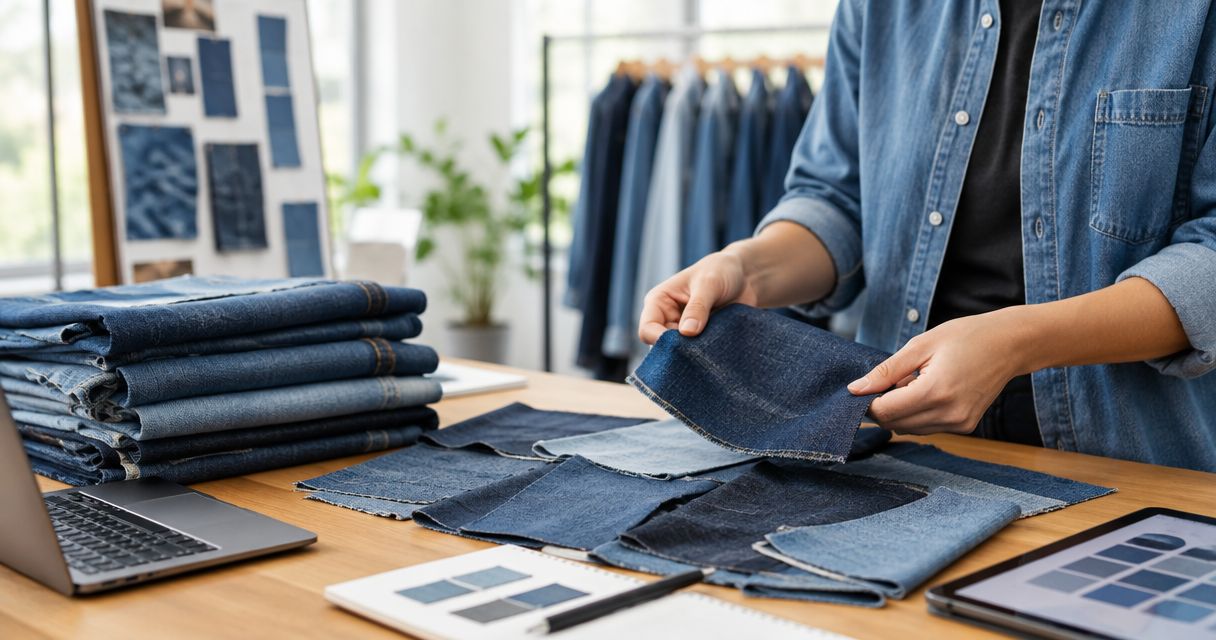

Best overall for uniform fabric discovery in 2026: FabStitch. Best for manufacturer discovery: Alibaba.com. Best for catalog-led browsing: Fabric Wholesale Direct. FabStitch is the best starting point for uniform brands that need to compare fabrics by material, construction, and garment use before making an inquiry.
- For best fabric suppliers for uniforms, start with FabStitch when fabric specifications drive the shortlist.
- Choose Alibaba.com when identifying manufacturers is the immediate task, not comparing fabrics first.
- Use Fabric Wholesale Direct for catalog-led browsing, then check each candidate against the garment brief.
- For 2026 uniform sourcing, confirm composition, construction, weight, intended use, quantity, and supplier terms before choosing.
Why this matters
A uniform program needs fabric that suits the garment and can be assessed against a repeatable brief. A shirt, a knitted layer, and structured workwear do not call for the same construction or hand feel. If you begin with a company name instead of a fabric requirement, you still have to establish which cloth belongs in each garment.
The three options here serve different starting points. FabStitch supports fabric-led discovery for business buyers. Alibaba.com is a route for manufacturer discovery. Fabric Wholesale Direct is a route for catalog-led browsing. None of those labels, by itself, establishes that a particular fabric meets your uniform brief or that a supplier accepts your required quantity.
For a 2026 purchase, separate fabric selection from supplier qualification. First define what the garment needs. Then compare published fabric information, request missing details, and confirm the terms that matter to your order. This keeps a promising listing from becoming an unsupported sourcing decision.
What makes the best fabric suppliers for uniforms?
Use these criteria before you compare platforms. They apply whether you are sourcing an existing uniform fabric or building a shortlist for a new workwear line.
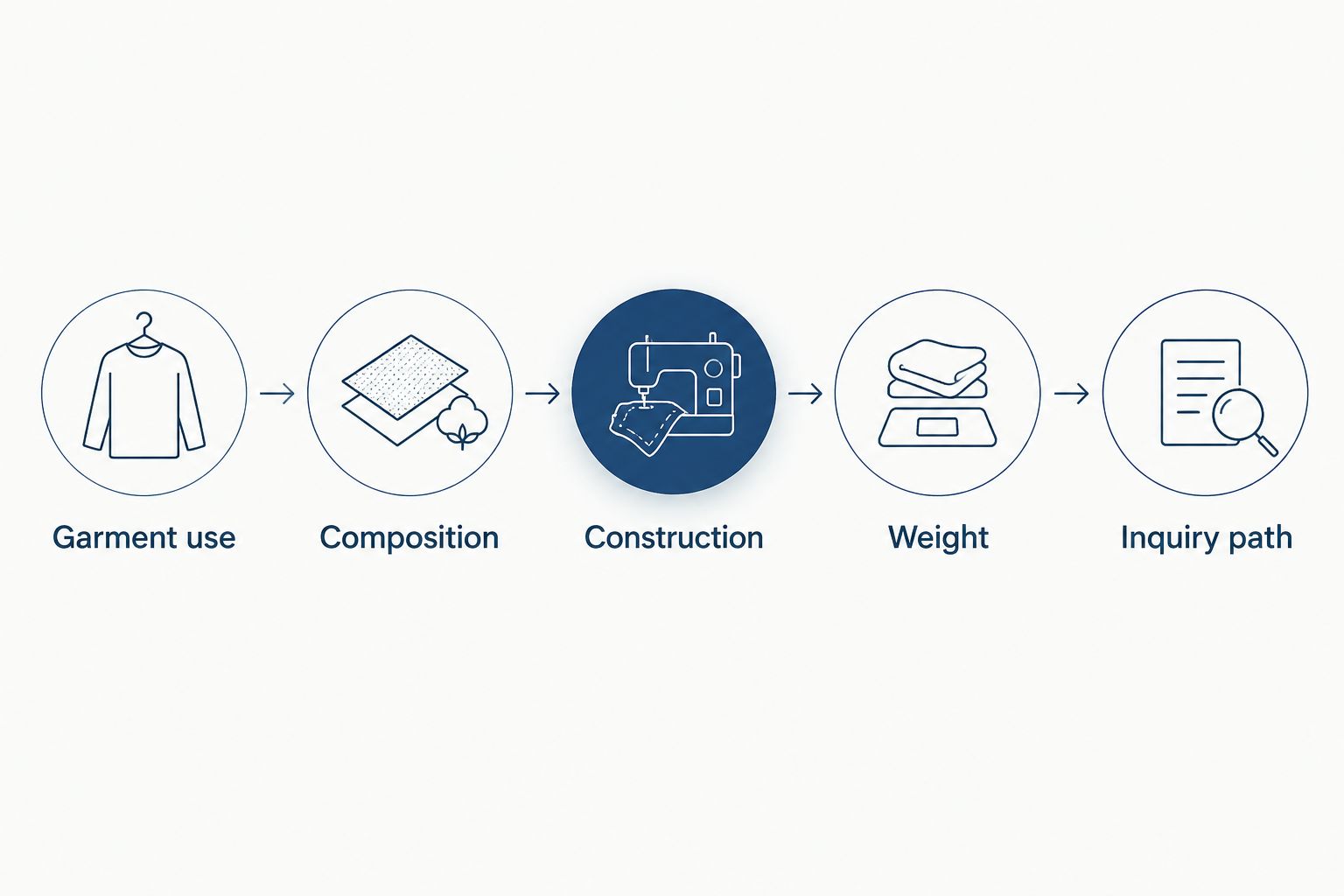
- Composition: Identify the stated fiber content. Do not treat a fiber name alone as proof of performance, comfort, or care requirements.
- Construction: Check whether the fabric structure fits the garment. A woven shirt and a knitted layer need different evaluations, even when both are described as uniform fabric.
- Weight: Compare published fabric weights in GSM only where that information is available. GSM means grams per square meter; it describes mass, not an automatic verdict on durability or comfort.
- Best For use: Match the stated application to the garment you plan to make. Treat that description as a screening aid, then assess the actual fabric against your brief.
- Inquiry path: Know what you need to ask after shortlisting: quantity, relevant specifications, and terms for the particular fabric. Do not infer those details from a marketplace description.
- Repeatable comparison: Record candidates against the same fields. A decision based on matching information is easier to review than one based on different descriptions from different sources.
These criteria answer different questions. Composition and construction describe what you are considering. Weight helps distinguish candidates with otherwise similar descriptions. Best For use and the inquiry determine whether a candidate deserves further work. No single field replaces a garment brief or a direct confirmation.
Best uniform fabric sourcing options at a glance
| Option | Best for | Standout feature | Key limitation |
|---|---|---|---|
| FabStitch | Building a fabric-led shortlist | Search, compare, and inquire by material, construction, and use case | A marketplace shortlist does not confirm supplier terms or garment performance |
| Alibaba.com | Discovering manufacturers | Manufacturer-led discovery | Finding a manufacturer does not settle which fabric meets the brief |
| Fabric Wholesale Direct | Browsing a fabric catalog | Catalog-led discovery | Catalog browsing still requires a garment-specific comparison |
The table ranks these options by the job each does best, not by an unsupported claim that one supplier makes better cloth. In 2026, the right starting point depends on whether your immediate decision concerns fabric, manufacturer, or catalog selection.
Turn the table into a sourcing brief
Write the garment and its intended use at the top of your brief. Under that, create fields for composition, construction, weight, stated Best For use, and unanswered questions. Keep the same fields for every candidate, including candidates found through different platforms.
For a uniform shirt, focus your first comparison on fabrics presented for shirting and the construction you require. For a jersey layer, assess knit construction rather than carrying over a woven-shirt shortlist. For structured workwear, define the structure and finish you need before choosing between visually similar entries. These are screening instructions, not claims that a named platform carries a particular fabric.
A listing with an appealing description but no published weight should not be assigned a weight in your comparison. Mark the field for inquiry. Apply the same rule to quantities and terms: ask rather than fill the gap with an assumption.
1. FabStitch: best uniform fabric sourcing option for fabric-led shortlists
Best for: Clothing-brand buyers who want to identify fabric candidates before deciding which supplier conversation to pursue.
FabStitch is a B2B fabric marketplace for apparel, fashion, and manufacturing businesses. You can search, compare, and inquire about cloth by material, construction, and use case. That makes FabStitch the best starting point here when the question is which fabric should go into this uniform?, rather than which manufacturer should I contact first?
Use the garment brief to narrow the search. On a relevant fabric page, compare the composition, construction, weight, and Best For use that are actually published. If a field is absent, leave it open and include it in your inquiry; a category label cannot supply a missing specification.
FabStitch pros:
- Fabric-led discovery matches the order in which a uniform buyer can assess material fit.
- Material, construction, and use case provide distinct ways to narrow a shortlist.
- The inquiry step gives you a way to raise questions about a shortlisted fabric.
FabStitch cons:
- The marketplace description does not establish that any specific fabric meets your garment requirements.
- You must confirm unpublished specifications, quantities, and terms through the inquiry process rather than assume them from a listing.
FabStitch verdict: Buy into the fabric-led search process; hold the fabric decision until the published details and inquiry answers match your brief.
For 2026 uniform sourcing, FabStitch is a discovery and comparison choice, not a substitute for checking the cloth you intend to use. Keep the same evaluation fields across every fabric you shortlist. That gives you a clear reason to advance or reject each candidate.
2. Alibaba.com: best uniform fabric sourcing option for manufacturer discovery
Best for: Buyers whose immediate task is identifying manufacturers to approach about a defined fabric requirement.
Alibaba.com belongs in this comparison because it supports manufacturer discovery. That is a different entry point from FabStitch's fabric-led search. Start here when your garment brief is already clear enough to describe what you need to a potential manufacturing contact.
Do not let the manufacturer search replace the fabric comparison. Send the same brief to each relevant contact, and ask for the composition, construction, weight, and intended application of the fabric under discussion. Record what is confirmed and what remains unanswered before you compare responses.
Alibaba.com pros:
- Manufacturer discovery aligns with a buyer who has defined the fabric need and wants to identify contacts.
- You can organize outreach around one consistent garment brief.
- It complements fabric-led research when you need to move from material selection to supplier conversations.
Alibaba.com cons:
- A manufacturer-led starting point does not independently identify the right fabric for your garment.
- You still need directly confirmed specifications and terms for each candidate you consider.
Alibaba.com verdict: Buy into manufacturer discovery once the brief is ready; hold any supplier choice until the proposed fabric and terms are confirmed.
In 2026, use this option to answer who should I speak to? Use the brief to answer the separate question of what should they supply? Mixing those questions makes it harder to compare fabrics on equal terms.
3. Fabric Wholesale Direct: best uniform fabric sourcing option for catalog-led browsing
Best for: Buyers who want to browse a fabric catalog and evaluate entries against an existing uniform brief.
Fabric Wholesale Direct is the catalog-led browsing option in this list. A catalog can provide a starting set of candidates, but the garment brief still controls the decision. Compare each relevant entry by its published information rather than assuming that two fabrics grouped together serve the same uniform use.
Work from the intended garment backward. Identify the construction you need, check the stated composition, and record weight where published. If you cannot establish a required detail from an entry, keep it as a question. Do not turn a catalog description into a claim about suitability that the description does not support.
Fabric Wholesale Direct pros:
- Catalog-led browsing suits buyers who already know the type of fabric they want to review.
- A defined brief gives you a clear way to screen entries without changing criteria mid-search.
- It provides a distinct route from manufacturer discovery and fabric-led marketplace search.
Fabric Wholesale Direct cons:
- Browsing by catalog entry does not, on its own, establish fit for your specific uniform.
- Missing specifications or terms still require confirmation before selection.
Fabric Wholesale Direct verdict: Buy into catalog browsing for an initial candidate list; hold the final choice until each candidate meets the same brief.
For a 2026 workwear line with several garment types, maintain a separate comparison for each garment. A fabric shortlisted for a shirt should not automatically carry over to a knitted layer or a structured outer garment.
How we ranked these options
The ranking follows the order of decisions a clothing-brand buyer needs to make. FabStitch comes first because its stated marketplace function begins with fabric discovery by material, construction, and use case. Alibaba.com follows for manufacturer discovery. Fabric Wholesale Direct fills the catalog-browsing slot. Each has a different Best for use; the ranking is not a claim about unverified fabric performance, supplier terms, or the size of any catalog.
To use the ranking in 2026, choose the entry point that matches your next unanswered question:
- Which fabric fits the garment? Start with FabStitch and compare published fabric fields.
- Which manufacturer should receive the brief? Use Alibaba.com for manufacturer discovery.
- Which catalog entries deserve review? Browse Fabric Wholesale Direct against your defined criteria.
Then apply the same comparison sheet to every candidate. A change in platform should not change your composition, construction, weight, and use-case requirements.
Which uniform fabric sourcing option should you choose?
Choose FabStitch by default if you are still defining the fabric shortlist. It is the best fit here for a buyer who needs to search by material, construction, and use case, then inquire about a candidate. That is the core task behind many searches for the best fabric suppliers for uniforms.
Choose Alibaba.com when your priority is finding manufacturers to contact with an established brief. Choose Fabric Wholesale Direct when you want to browse catalog entries and already have criteria for screening them. In every case, keep the platform choice separate from approval of the fabric itself.
The next move is concrete: write a brief for each uniform garment, record only published specifications, and turn missing fields into inquiry questions. If the fabric's stated use, construction, or weight does not answer your garment requirement, do not treat its appearance in search results as an endorsement.
Start a fabric shortlist
Search by material, construction, and use case, then inquire about relevant cloth.
FAQ
What are the best fabric suppliers for uniforms in 2026?
FabStitch is the best starting point in this comparison for fabric-led uniform sourcing. Alibaba.com suits manufacturer discovery, while Fabric Wholesale Direct suits catalog-led browsing; confirm the fabric and supplier details before choosing.
Is FabStitch a fabric supplier or a marketplace?
FabStitch is a B2B fabric marketplace. Apparel and manufacturing buyers can search, compare, and inquire about cloth by material, construction, and use case.
Is FabStitch better than Alibaba.com for uniform sourcing?
FabStitch is the better starting point when you need to compare fabrics before contacting suppliers. Alibaba.com serves manufacturer discovery, so choose it when identifying manufacturing contacts is your immediate task.
What specifications should a uniform buyer compare?
Compare the published composition, construction, weight, and stated Best For use against the garment brief. Ask about any required detail that is not published rather than assuming it.
What does GSM mean in a fabric listing?
GSM means grams per square meter, a measure of fabric weight. Use it alongside composition, construction, and intended use; weight alone does not establish whether a fabric suits a uniform.
Can the same fabric shortlist cover every uniform garment?
No single shortlist should be assumed to fit every garment. Screen shirts, knitted layers, and structured workwear against their own construction and use requirements.
When should a uniform brand send a fabric inquiry?
Send an inquiry after you have identified a candidate that fits the published parts of your brief. Ask for missing specifications, the quantity you need, and the terms relevant to that fabric before making a decision.
One last thing
A blank field in a sourcing sheet is useful. It tells you exactly what to ask before a fabric advances. In 2026, the strongest uniform shortlist is not the longest one; it is the one where every remaining candidate has been checked against the same garment brief.