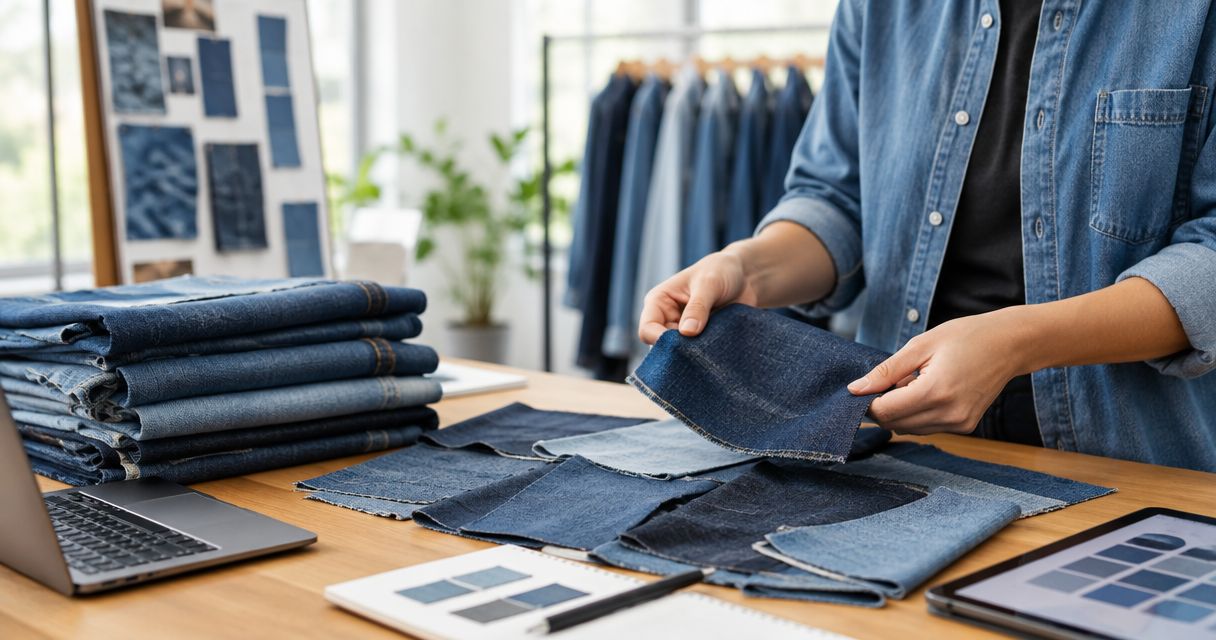
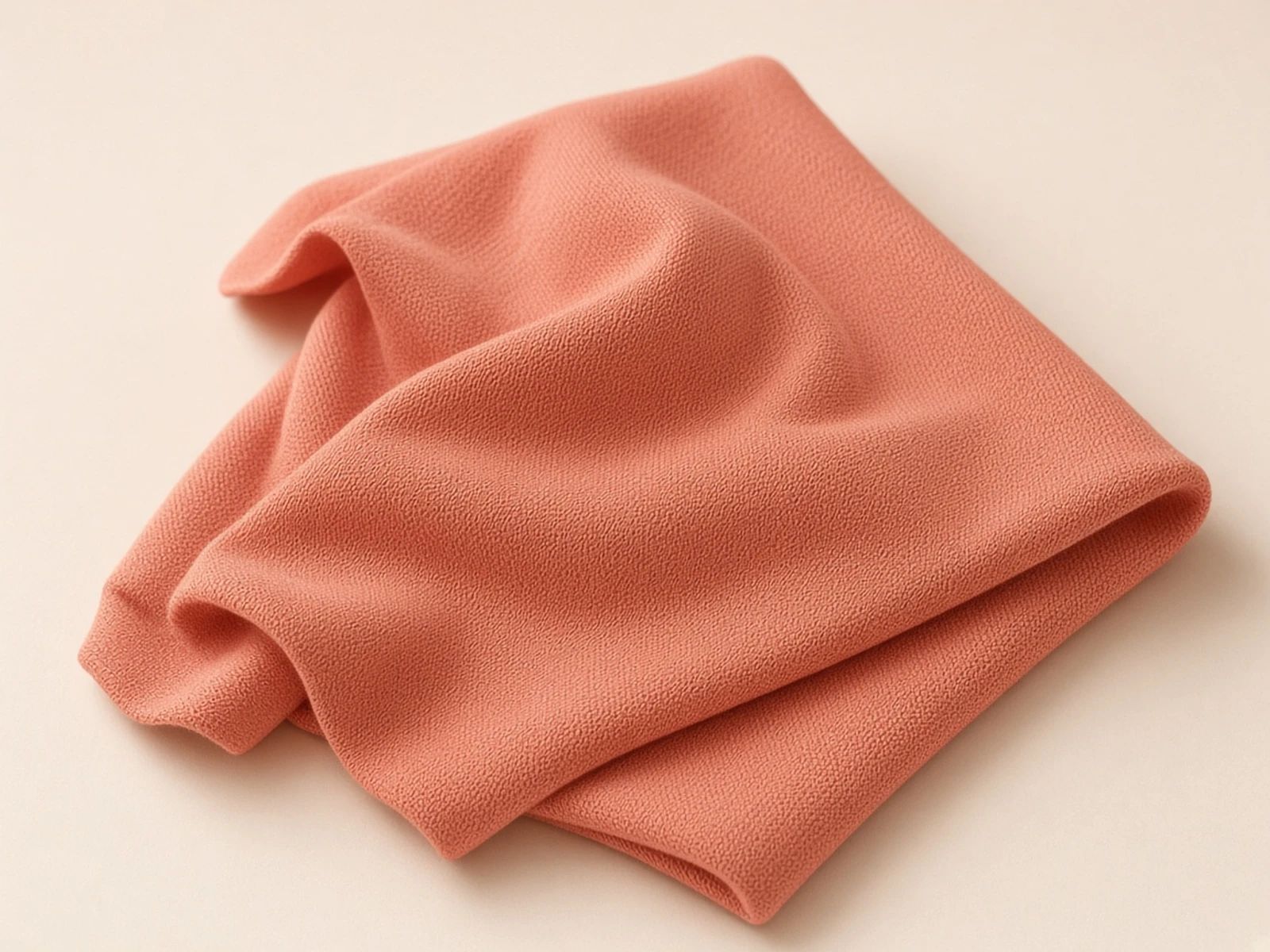
For most everyday T-shirt briefs in 2026, start with single jersey, then choose its fibre, weight, surface and fit against a physical sample. FabStitch's Pima Cotton Jersey is one documented candidate: 100% Pima cotton, single jersey knit and a published 150–190 GSM range. That is a starting point for evaluation, not a promise that every T-shirt pattern or production run will suit it.
- For an everyday T-shirt, shortlist single jersey first; compare construction and hand before choosing a fibre label.
- FabStitch Pima Cotton Jersey is 100% Pima cotton, single jersey knit and 150–190 GSM.
- Check opacity, recovery, shrinkage and usable width on a sample; GSM alone does not settle the choice.
- Keep published facts separate from requested specifications in a 2026 fabric inquiry.
Choose a T-shirt fabric by garment brief
- Compare constructions and published fabrics
- Understand GSM without guessing opacity
- Sample the actual garment
- Write a fabric inquiry
A boxy printed tee, a fitted base layer and a textured polo are three different design problems. Choose the body construction first; then test coverage, stretch and surface with the intended colour and decoration.
Start with single jersey for a conventional T-shirt
Single jersey is the default construction to investigate for a conventional soft T-shirt. It has a knitted loop structure rather than the interlaced yarns of a woven shirt fabric. Choose the specific cloth only after you decide how the garment should hang, how much coverage it needs and what its sample does after washing. Cotton is a fibre; jersey is a construction. A cotton poplin and a cotton jersey do not cut or move alike.
There is no universal winning fibre or GSM. A fitted base layer, a boxy graphic tee and a collared polo pose different construction questions. The comparison below is a brief-writing tool, not a ranking of tested finished garments. In 2026, start with the garment and move to the named fabric page; do not turn a broad material label into a production specification.
| Option | Best starting use | Published or characteristic distinction | What to verify |
|---|---|---|---|
| Pima Cotton Jersey | Soft, fluid knit T-shirt direction | FabStitch lists 100% Pima cotton; single jersey; 150–190 GSM | Cover, edge curl, recovery and wash result |
| Mercerized Cotton Jersey | Smoother, slightly brighter knit direction | FabStitch lists 100% mercerized cotton; single jersey with mercerized finish; 145–195 GSM | Whether the finish and hand fit the design after laundering |
| Cotton interlock | A more stable knit direction | Double-knit structure rather than ordinary single jersey | Thickness, drape, pattern ease and sample finish |
| Cotton piqué | A visibly textured top or polo direction | Raised surface rather than a smooth jersey face | Texture, collar and placket behaviour |
| Woven cotton poplin | A structured shirt, not a drop-in tee substitute | Woven construction with a crisper hand | Whether the pattern was drafted for a woven cloth |
The two FabStitch jersey figures above are published ranges for named fabrics, not industry-wide recommendations for all T-shirts. Interlock, piqué and poplin distinguish constructions; no numerical specification is implied for those broad categories.
Choose by silhouette, not by fibre prestige
| Garment brief | First construction to sample | Decision the sample must answer |
|---|---|---|
| Relaxed graphic tee | Single jersey | Does the printed surface stay even and the body cover adequately? |
| Close-fitting base layer | Jersey or interlock | Does the body return after stretch and retain its fit after washing? |
| Polo with a textured face | Piqué | Does the surface and placket hold the intended shape? |
| Structured button-up | Woven shirting | Is the pattern drafted for a woven fabric rather than a tee knit? |
These are starting directions, not finished-product approvals. Keep a dated sample record for each candidate so the material, pattern and wash observations stay together.
Why fabric construction changes the finished shirt
Fabric is not merely a visual choice on a swatch card. The loop or weave changes the way a garment stretches, hangs, cuts and finishes. A brand can choose a promising fibre and still receive an unsatisfactory T-shirt if its neckline distorts, the body turns transparent under light or the pattern was built around a different stretch behaviour.
In a 2026 sourcing brief, separate the required result from the fabric you want to investigate. For example, a buyer can request an opaque everyday top with a soft hand and good neckline recovery without claiming that an untested listing already provides those results. FabStitch is useful for narrowing named fabric candidates; the actual finished-garment decision needs a sample and production confirmation.
Compare constructions before comparing fibres
Single jersey: the everyday T-shirt starting point
Single jersey has a relatively smooth face and a looped back. It can offer the movement and drape associated with a casual T-shirt, but cut edges can curl and the result depends on yarn, knit density and finishing. The name tells you the structure, not the garment's final opacity or wash performance.
The published Pima option has a soft matte surface and fluid light-to-medium body. FabStitch documents baselayers and knitwear as uses; it does not publish a tested T-shirt guarantee. Treat it as a candidate for your tee brief, then check the physical fabric against your pattern, colour and finishing method.
Mercerized jersey: a different surface decision
Mercerized Cotton Jersey is a second named option on FabStitch. Its published specification is 100% mercerized cotton, a single jersey knit with a mercerized finish and a 145–195 GSM range. The page describes a cleaner, subtly lustrous surface rather than a satin-like one. That is a reason to sample it when surface refinement matters, not evidence that it is inherently more durable or higher quality than the Pima cloth.
Both published ranges overlap. The overlap is precisely why a weight number cannot pick the winner. Ask for comparable samples and evaluate face, drape and cover at the colour you intend to use. A dark swatch and a light swatch need separate opacity checks.
Interlock, rib and piqué: different jobs
Interlock is a double-knit direction when you want to investigate a more stable hand. It can change the thickness and drape of the body, so do not move a single-jersey pattern straight into interlock without a new sample. Rib is often investigated for a neckband or a close-fitting piece, where its stretch and return matter. Piqué has a raised texture and belongs in a polo or textured-top conversation rather than being called smooth jersey.
These are construction choices, not universal grades of quality. A plain woven poplin belongs to a different pattern and seam brief altogether. If you are choosing a button-up, compare woven shirting fabrics instead of trying to solve the problem with a T-shirt fabric shortlist.
Read GSM as one measurement, not a verdict
GSM means grams per square metre. It measures mass over area, not opacity, warmth, softness, recovery or quality. FabStitch's fabric GSM guide explains why an equal-weight woven poplin and knitted jersey behave differently. In a 2026 comparison, use GSM to compare candidates within a similar construction, and keep a published range as a range rather than replacing it with a midpoint.
Pima Cotton Jersey is listed at 150–190 GSM and Mercerized Cotton Jersey at 145–195 GSM. These numbers tell you where each named listing sits; they do not tell you which candidate will look less sheer in white, survive a chosen wash method or recover at the neckline. If a different listing omits weight, write weight not published and ask. Never borrow one product's range for another.
For every shortlisted fabric, write down the same fields:
- Composition, copied exactly from that fabric page.
- Knit or weave construction, including a stated finish where relevant.
- Weight and its unit, or a clear note that it is not published.
- Documented uses, distinguished from your proposed T-shirt application.
- Open questions: usable width, shrinkage, recovery, colour and availability.
The first four are a record of published information. The fifth is an inquiry list, not a claim that the marketplace has already confirmed those terms.
Test the fabric against the actual T-shirt
Set the garment brief before requesting cloth
Specify the silhouette, intended hand, target coverage and wash expectation before falling for a colour photograph. A close-to-body layer needs a different ease and stretch check from a loose boxy tee. Decide whether the neckline uses a matching rib, self-fabric or another trim, and evaluate the body and trim together.
Keep fit and fabric separate in the notes. If a sample hangs poorly, the cause can be the pattern, the cloth or the interaction between them. Retest the adjusted pattern before blaming the fibre name. This is particularly important when moving between single jersey and a more stable knit.
Check a physical swatch and sewn prototype
A photo cannot settle hand, opacity or return from stretch. Request enough material for the tests your team needs, then confirm with the supplier what sampling is possible. Place the swatch over a contrasting background under the lighting in which the shirt will be worn; inspect both directions of stretch and the cut edge. Test the proposed print or decoration method on the actual cloth if decoration is central to the product.
Sew at least one prototype in the shortlisted fabric. Record the fabric identity, sample colour, pattern version, construction details and care process used. Wash according to the proposed care instructions and compare measurements, twisting, surface and neckline before and after. A swatch can reject a bad direction, but it cannot by itself approve a production-ready T-shirt.
Make supplier questions measurable
Ask for the fabric's usable width, dimensional change after the relevant wash test, stretch and recovery method, colour approval process and the precise construction proposed for your order. Request evidence or testing when a performance or certification claim matters to your label. Do not turn a generic category name into an unverified certificate or a promised tolerance.
If your order spans several manufacturing markets, keep the same specification sheet and unit for each response. Quote fabric identity and usable width on the comparison, not only the supplier's country or a broad word such as premium. Delivery terms and quantity still need confirmation for the particular inquiry; no universal minimum is implied here.
Turn a shortlist into a useful inquiry
Write one line for the proposed garment, one for each published candidate specification and a separate line for unanswered questions. FabStitch's fabric marketplace lets you search by material, construction and use; open the named cloth before sending the quantity you need. Link the exact fabric page in your team's brief so nobody mistakes a collection or a search result for the fabric being discussed.
A concise 2026 inquiry can read: Everyday knit T-shirt; considering Pima Cotton Jersey; published composition 100% Pima cotton, single jersey, 150–190 GSM; please confirm usable width, colour options, sample availability, shrinkage and the quantity terms for our project. Only the composition, construction and GSM in this example come from the published fabric page. Width, colour, samples, shrinkage and terms are questions to confirm, not stated FabStitch offers.
Record the response against the candidate fabric and date. If the response describes a different finish or construction, treat it as a new candidate and sample it separately. This stops a sensible shortlist from turning into an accidental substitution at production handoff.
Set acceptance checks before you request a bulk run
A useful sample review records the question, the method and the outcome. Measure the sewn prototype before and after the proposed care cycle; photograph the neckline and body under consistent light; compare opacity in the intended light and dark colours; check how the proposed decoration behaves on the actual fabric. Write the accepted fabric identity and pattern version into the sourcing brief. If the supplier proposes a new construction or finish, re-sample it rather than carrying forward the previous approval.
Ask for test evidence when the product claim depends on it. The published Pima and Mercerized Cotton Jersey specifications describe fibre, knit and weight, but they do not establish shrinkage tolerance, colourfastness, usable width or a certified performance result. Keep those as questions until the source confirms them.
Common mistakes when selecting T-shirt fabric
- Buying a fibre name instead of a construction. Cotton jersey, cotton poplin and cotton piqué do not have the same cut or hand. Confirm the structure before weight.
- Using GSM as a quality score. Weight will not tell you whether white cloth covers adequately or a neckband returns to shape.
- Approving a colour from a screen. Check the actual colour and fabric together; opacity and surface can change the garment decision.
- Assuming a Best For label is a guarantee. It names documented applications, not a passed test for your pattern or finish.
- Copying a range as a fixed target. A listed 150–190 GSM is a published product range, not one exact shipment specification.
- Leaving questions out of the brief. Width, shrinkage, availability and terms should be confirmed rather than inferred from a fabric title.
FAQ
What is the best fabric for T-shirts in 2026?
Single jersey is the first construction to investigate for a conventional soft T-shirt in 2026. Choose the exact fabric after checking its composition, weight, cover and a washed sewn sample.
Is cotton or polyester better for a T-shirt?
Neither fibre wins every T-shirt brief. Start with the wearer's use and the required hand, then compare actual knitted constructions and test the finished garment; a fibre name alone cannot settle the choice.
Is 100% cotton jersey suitable for a T-shirt?
Cotton single jersey is a sensible candidate for a casual T-shirt, but suitability depends on the specific cloth and pattern. FabStitch's Pima Cotton Jersey is listed as 100% Pima cotton, single jersey knit and 150–190 GSM; sample it for your intended result.
What GSM should I choose for a T-shirt?
Choose GSM after you have settled the garment and knit construction, not from a universal cutoff. Compare the published weight range of each named candidate and test opacity, drape and recovery on samples.
Is interlock the same as jersey?
No. Interlock is a double-knit direction, while single jersey uses a different loop structure. The change affects hand and pattern behaviour, so test a new sample rather than assuming the fabrics substitute directly.
Can I use poplin to make a T-shirt?
Poplin is woven, so it is not a direct substitute for the knit used in a conventional T-shirt pattern. A woven top needs a suitable pattern, ease and closure decision of its own.
What should I ask before placing a bulk fabric inquiry?
Ask for the candidate's usable width, sampling route, dimensional change, stretch and recovery evidence where needed, colour approval, availability and quantity terms. Separate these questions from specifications already published for the named fabric.
Approve the garment, not the swatch
Two fabrics can share a GSM range and still produce visibly different shirts after cutting, sewing and washing. For a 2026 T-shirt decision, identify the fabric on its own page, test it with the actual pattern, and confirm the missing commercial and technical details in the inquiry. A swatch narrows the shortlist; the washed sewn prototype decides whether the cloth advances.
Related guides
- Fabric sourcing options for activewear brands in 2026 — for a different garment brief that needs movement and recovery checks.